Navigating the Market's Crossroads: Understanding Red Flags and Preparing for Any Scenario
by admin - 14-08-2026The stock markets today present a fascinating paradox: while major indices often hit new highs, a chorus of respected investment legends is sounding alarms. It’s crucial for every investor to understand these concerns, not as predictions of an imminent crash, but as red flags that necessitate careful thought about preparedness. We are not here to forecast the future, but to analyze potential scenarios based on these expert views and equip you with strategies to navigate them.
HERE IS WHAT WE ARE HEARING FROM INVESTMENT GURUS.
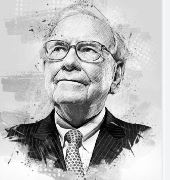 The Loudest Warning: Warren Buffett's Cash Hoard
No figure's actions are watched more closely than those of Warren Buffett. In its latest quarterly filing (Q3 2025), Berkshire Hathaway's cash and short-term Treasury holdings swelled to a record-breaking $381.7 billion, the largest corporate war chest in U.S. history.
For the twelfth consecutive quarter, Berkshire Hathaway has been a net seller of stocks, meaning the company has sold more equities than it has purchased. Buffett has also largely refrained from buying back Berkshire's own shares, a common move when management believes the stock is undervalued.
This massive cash pile is not a sign of fear, but a reflection of the core value investing belief: The market currently lacks large, attractive, value-driven opportunities. Buffett has historically stated he will only "swing at pitches he likes," and he is earning a safe, risk-free return (around 5.4% annually) on that cash while he waits.
NOT JUST BUFFETT. THIS ACTION OF BUFFETT ALIGNS PERFECTLY WITH THE INTELLECTUAL WARNING FROM OTHER PROMINENT FIGURES :
"Super Bubbles" and Extreme Valuations: Jeremy Grantham, Paul Tudor Jones, and Ray Dalio all agree with Buffett's implicit caution: current market valuations, especially in concentrated areas like the AI- driven tech sector, are stretched and suggest speculative excess, making the market highly vulnerable to a shock.
Jeremy Grantham (GMO): A renowned bubble historian, Grantham consistently points to the U.S. stock market's "super bubble" status, evidenced by extreme valuation metrics like the Shiller P/E ratio. He views the current AI enthusiasm as a "bubble within a bubble," drawing parallels to the dot-com era. His core message: market history suggests a significant reversion to the mean is overdue.
Paul Tudor Jones (Hedge Fund Legend): Echoing Grantham, Jones has recently warned that the market shows signs of a "dot-com–style bubble," emphasizing that current conditions — low rates, fiscal stimulus, and surging tech investments — resemble the late 1990s.
Ray Dalio (Bridgewater Associates): While acknowledging recent gains, Dalio's "high bubble indicator" (which he recently cited) suggests speculative excesses reminiscent of 1929 and 1999.
- Ray Dalio: Continues to highlight the unsustainable levels of U.S. government debt and the risks of a "debt crisis," emphasizing that the Federal Reserve faces a dilemma between a slowing economy (needing rate cuts) and speculative markets (which rate cuts would inflate).
- Robert Kiyosaki (Rich Dad Poor Dad): A staunch critic of government spending and central bank policies, Kiyosaki frequently warns of a "massive crash" due to excessive debt and continuous money printing, which he believes erodes the value of traditional assets.
- Jamie Dimon (JPMorgan Chase): The CEO expressed being "far more worried than others" about a serious market correction, placing a 30% probability on it within the next six months to two years. His rationale centers on significant geopolitical tensions, elevated fiscal spending, and the potential for "sticky inflation" to force the Fed's hand.
Concentrated Gains & Market Fatigue: Jason Hunter, head Technical Strategies, JP Morgan warned that the market could face a significant downturn, specifically predicting the S&P 500 might fall to 3,500 by mid-2024—a drop of about 23%. He views a U.S. recession as very likely, and suggested that cash and Treasury bonds are currently safer bets than equities. His analysis of concentrated market gains confirms that the rally is narrow, a sign of fragility and dependence on a few stocks, making the whole market vulnerable if those leaders stumble.
SCENARIO THINKING AND HOW TO PREPARE
These w arnings paint a picture of heightened risk, but they don't dictate the future. The crucial factor is how you position your portfolio. Let's consider four scenarios based on whether a significant market correction ("crash") occurs and your level of preparedness:
Scenario 1: Crash Happens, You Are Prepared
While your portfolio may still see some decline, your defensive positioning means losses are minimized compared to the broader market. Critically, you have cash reserves and liquid assets ready. You view the crash as an unprecedented opportunity to acquire quality assets at fire-sale prices, positioning you for outsized gains in the subsequent recovery. Your long-term financial goals remain intact, possibly even accelerated.
Scenario 2: Crash Happens, You Are NOT Prepared
Your portfolio suffers severe losses, potentially wiping out years of gains. Overleveraged positions or concentrated, risky investments amplify the pain. Emotional distress sets in, leading to reactive decisions like selling low, locking in permanent losses, and missing the recovery. This scenario can have devastating long-term impacts on retirement plans and financial security.
Scenario 3: No Crash but You Are Prepared
Your diversified, somewhat conservative portfolio continues to grow steadily. While you might not capture the absolute highest returns of the most aggressive, concentrated portfolios (especially if a few "bubble" stocks continue to surge), you benefit from compounding gains with significantly less stress and risk. You maintain a strong financial foundation, sleep well at night, and are ready for any future event.
Scenario 4: No Crash, but You Are NOT Prepared
Your aggressive, potentially concentrated portfolio sees strong short-term gains, possibly outperforming more diversified strategies. However, this comes with constant anxiety and high exposure. You are heavily reliant on the continuation of the bull market and are completely exposed to the inevitable, future correction when it arrives, putting you back in Scenario 2.
STRATEGIES FOR THE PREPARED INVESTOR: WHAT YOU CAN DO NOW
Given these scenarios, the goal is clear: to move into the "Prepared" column. This involves a thoughtful, strategic approach to your portfolio:
Review Your Asset Allocation:
- Diversify: Ensure your portfolio is not overly concentrated in a few sectors or "hot" stocks. Broad diversification across geographies, sectors, and asset classes (stocks, bonds, real estate, commodities) is key.
- Increase Defensive Assets: Consider increasing your allocation to safer assets like short-to-intermediate term bonds or debt funds, high-quality corporate bonds, or even cash.
- Alternative Assets: As Kiyosaki and Dalio suggest, a modest allocation to gold and silver (physical or via ETFs) can act as a hedge against currency devaluation and systemic risk.
Maintain Adequate Cash Reserves:
Beyond your emergency fund, having "dry powder" (cash) means you can weather market storms without being forced to sell assets at a loss. It also positions you to capitalize on buying opportunities during a downturn.
Reduce Debt, leverage or prepay loans:
Aggressively paying down high-interest debt (credit cards, personal loans) improves your financial flexibility. During a crash, debt can become a significant burden. 
Rebalance Your Portfolio Regularly:
If certain assets or sectors have grown significantly (like tech stocks recently), rebalance by selling some of the winners and reinvesting in underperforming or more defensive assets. This helps you "trim the fat" and lock in gains.
Understand Your Risk Tolerance:
Be honest about how much volatility you can truly handle. Simply waiting to win the last penny gains could be risky choice to make. For few points gains, you could actually risk the entire capital. A portfolio that keeps you up at night is not the right portfolio, regardless of its potential returns.
Stay Informed, Not Emotional:
Listen to the red flags from seasoned investors, but avoid panicking. Focus on your long-term plan and adjust your strategy based on your personal financial goals, not daily headlines.
By acknowledging the red flags raised by these investment legends and proactively adjusting your strategy, you empower yourself to navigate whatever the future market brings – whether it's continued growth or a significant downturn – with confidence and resilience. Moreover, knowing what you are holding, why you are holding and how long you are going to hold that would strengthen your grip on the portfolio, which is essential when the winds of uncertainties strike.
Emphasize Quality and Margin of Safety: Focus on companies with strong balance sheets, consistent cash flows, and sustainable business models—assets that are better positioned to weather an economic downturn.
THE HOWARD MARKS MANTRA
In the context of widespread warnings from investment gurus predicting an impending market crash due to prevailing euphoria and high valuations, investment legend Howard Marks offers a disciplined alternative: Probabilistic Allocation.
Marks argues that investing is a game of expected value, rooted in understanding market cycles rather than predicting future events with certainty. Since the current environment—marked by elevated prices—suggests the probability of a sharp downturn is higher than average, the strategy mandates a crucial Probabilistic Tilt toward defense.
This means actively reducing risk exposure by cutting equity holdings, increasing allocation to cash and high-quality bonds, and minimizing leverage to prioritize capital preservation. This framework avoids the binary peril of "all-in" or "all-out" timing. Instead, it involves continuously adjusting your risk dials to ensure the odds are stacked in your favor, positioning you to deploy capital aggressively only when a crash has caused despair and assets are available at discounted prices.
_________________________________________________________________
10-Days Certification Course on "Crowd Psychology"
(Read online 5 minutes a day)
Understand how people think, feel & act in groups — and transform your leadership, strategy, and decision-making.
🧠 You Will Learn:
- 🧍♂️ Crowd behaviour: how they think and act together
- 😨 How crowd emotions turn into crisis
- 🙌 How to better handle crowds and large social gatherings
- 🎯 What influences a crowd and how it’s shaped
- 🗣️ How great leaders and social groups shape crowd thinking
- 🚫 How not to get trapped in crowd behavior
- 💡 Discounted price of just Rs 499 (get refund if you do not like course)
Enroll now 👉 Click here

📘 This Course Includes:
- 🧩 10 chapters only (English)
- 📲 1 chapter delivered every 3 days via WhatsApp/Email
- ⏱️ Just 15 mins/day to complete the course in 30 days (Total ~1.5 hrs)
- 📱 Learn on Mobile/Desktop
- 🏅 Certificate of Completion on Day 30
💰 ₹ 2999 pay now Only! 499 RS🔥🔥🔥🔥
👥 Who Should Attend:
📈 Stock market investors, 🎓 Students, 👨💼 Team Leaders, 🎯 Marketers, 🏢 Business Owners.
✅ Real-life Examples | Designed for Busy People | Certificate for your LinkedIn/Resume
🔗 Enroll now 👉 Click here
100Bagger: Eagle Post
Aimed at compounding knowledge and wealth, we bring to you best stories and resources every month handpicked by our 100 Bagger team.
- Bonus: You'll also receive a FREE COPY of our latest ebook, "MARKET CYCLES: HOW THEY WORK AND HOW TO PROFIT FROM THEM"
- E-copy of Highlighted 45 Page Detailed Naval Ravikant Interview
- Book Summary "The 4-Hour Work Week"